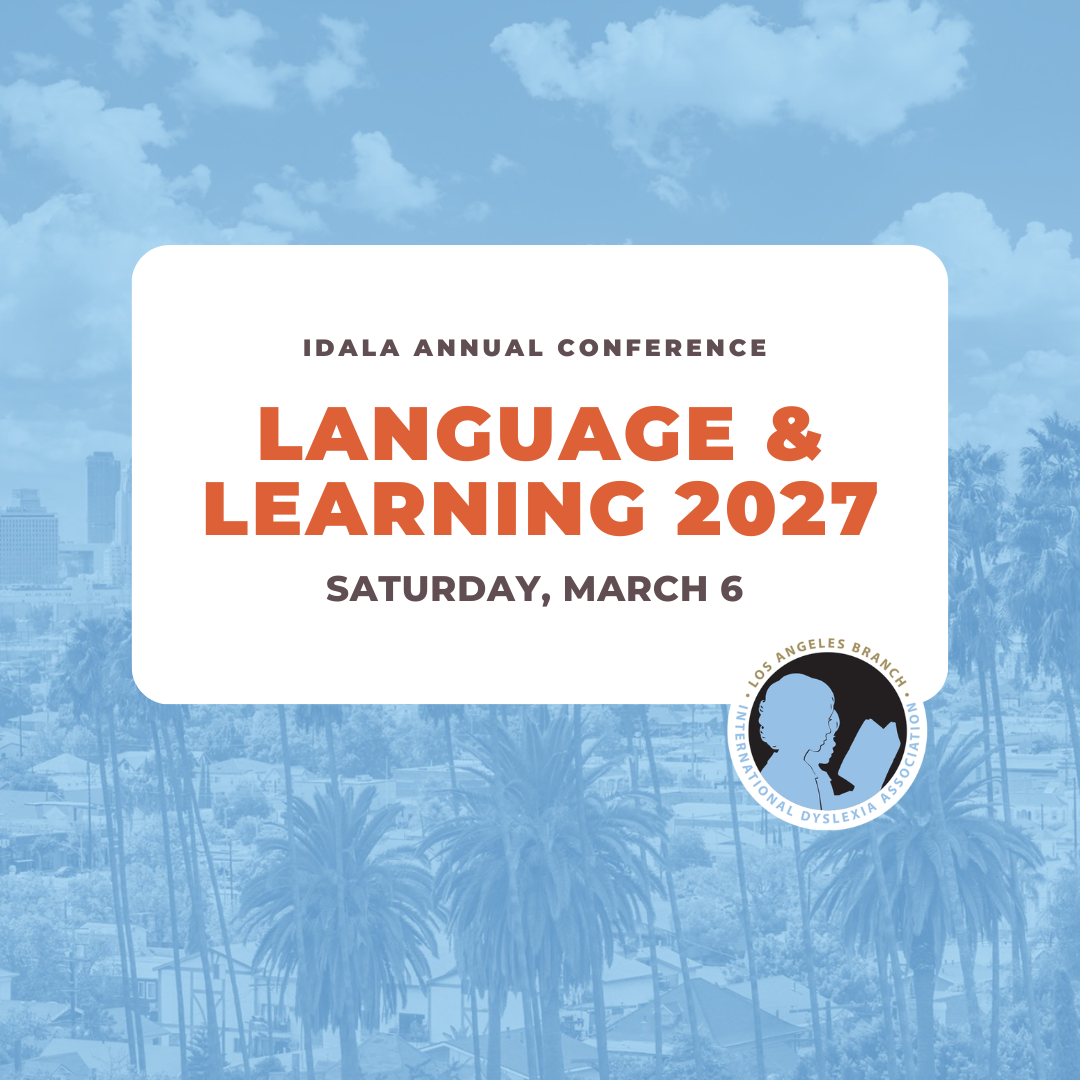
Language & Learning 2027
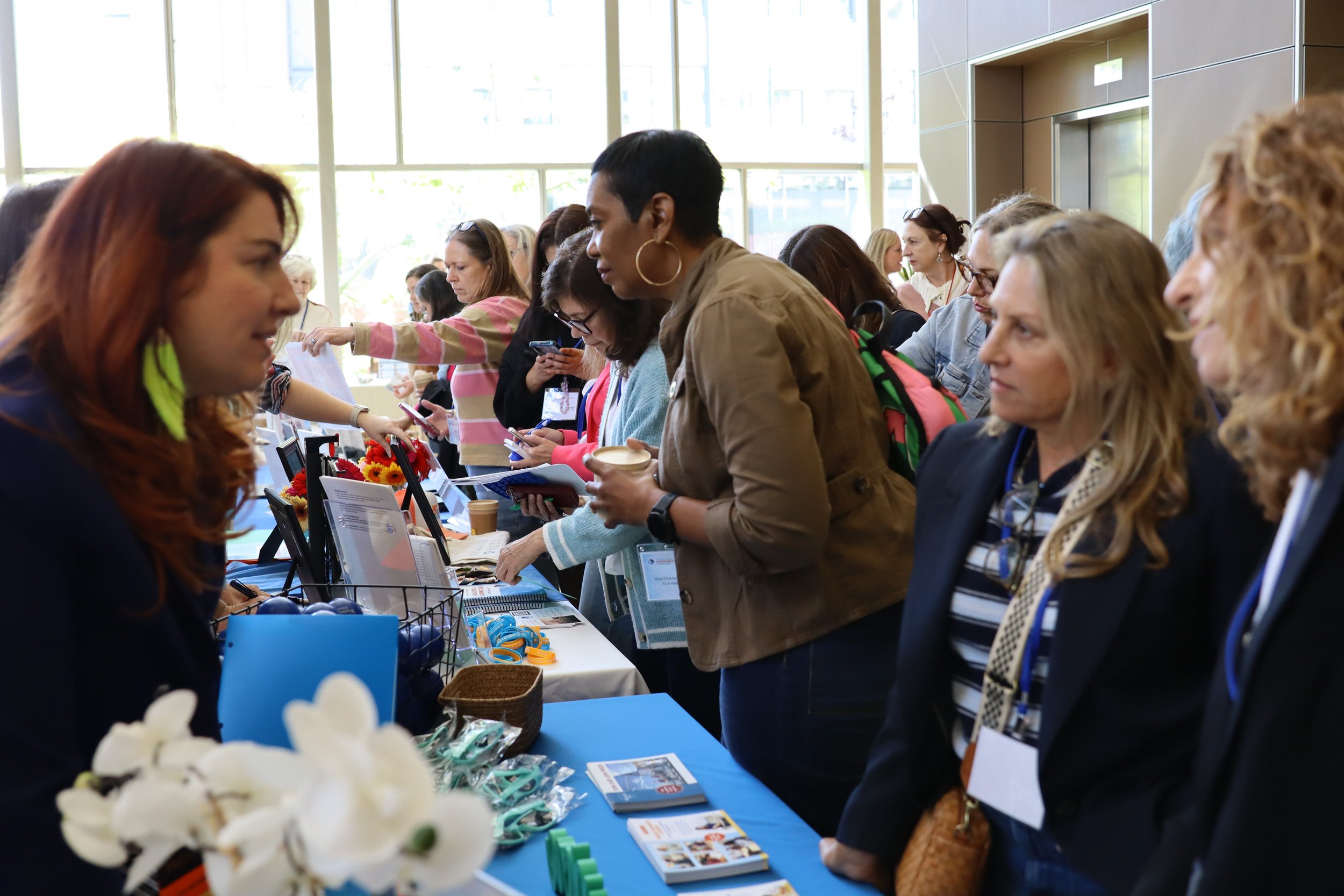
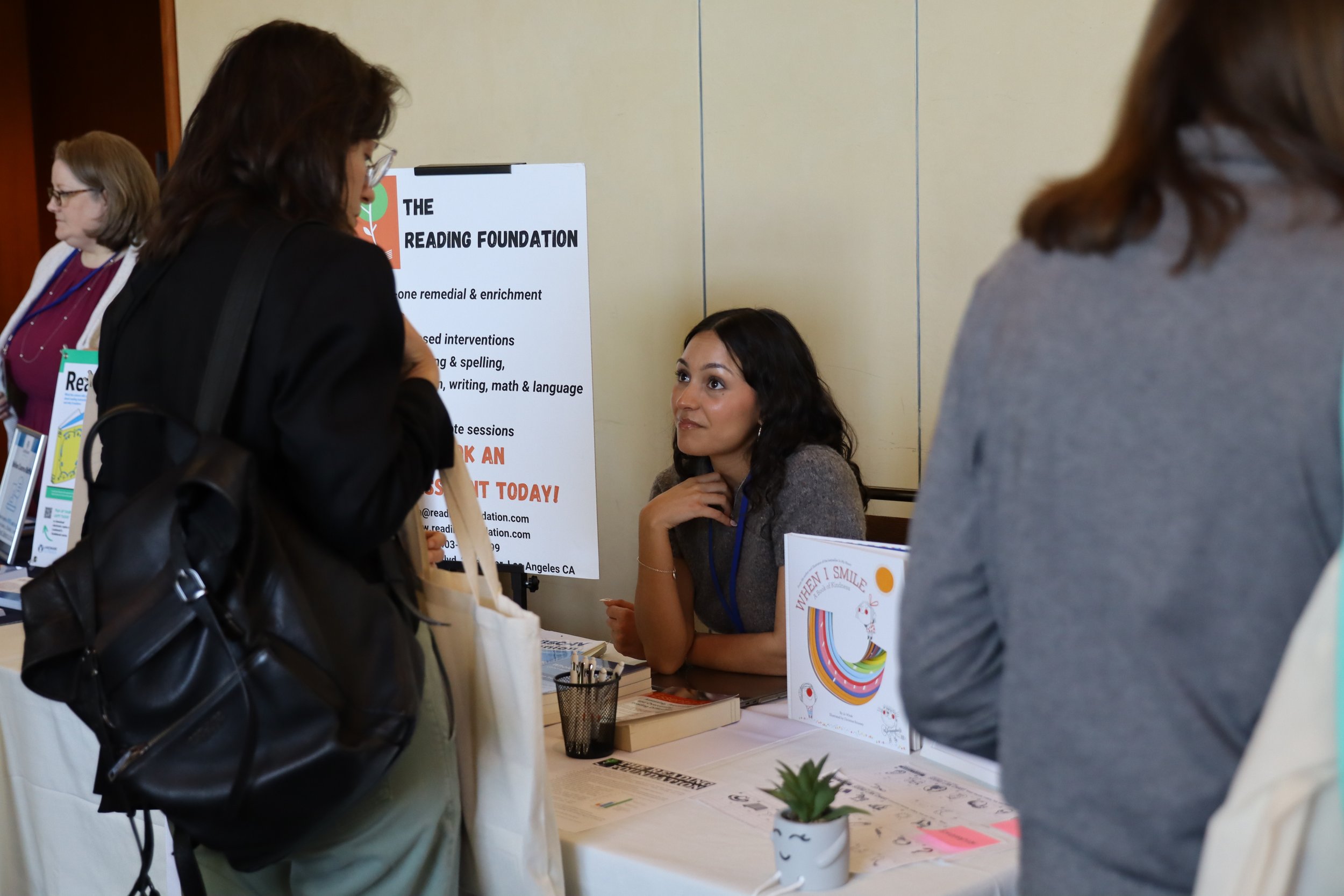
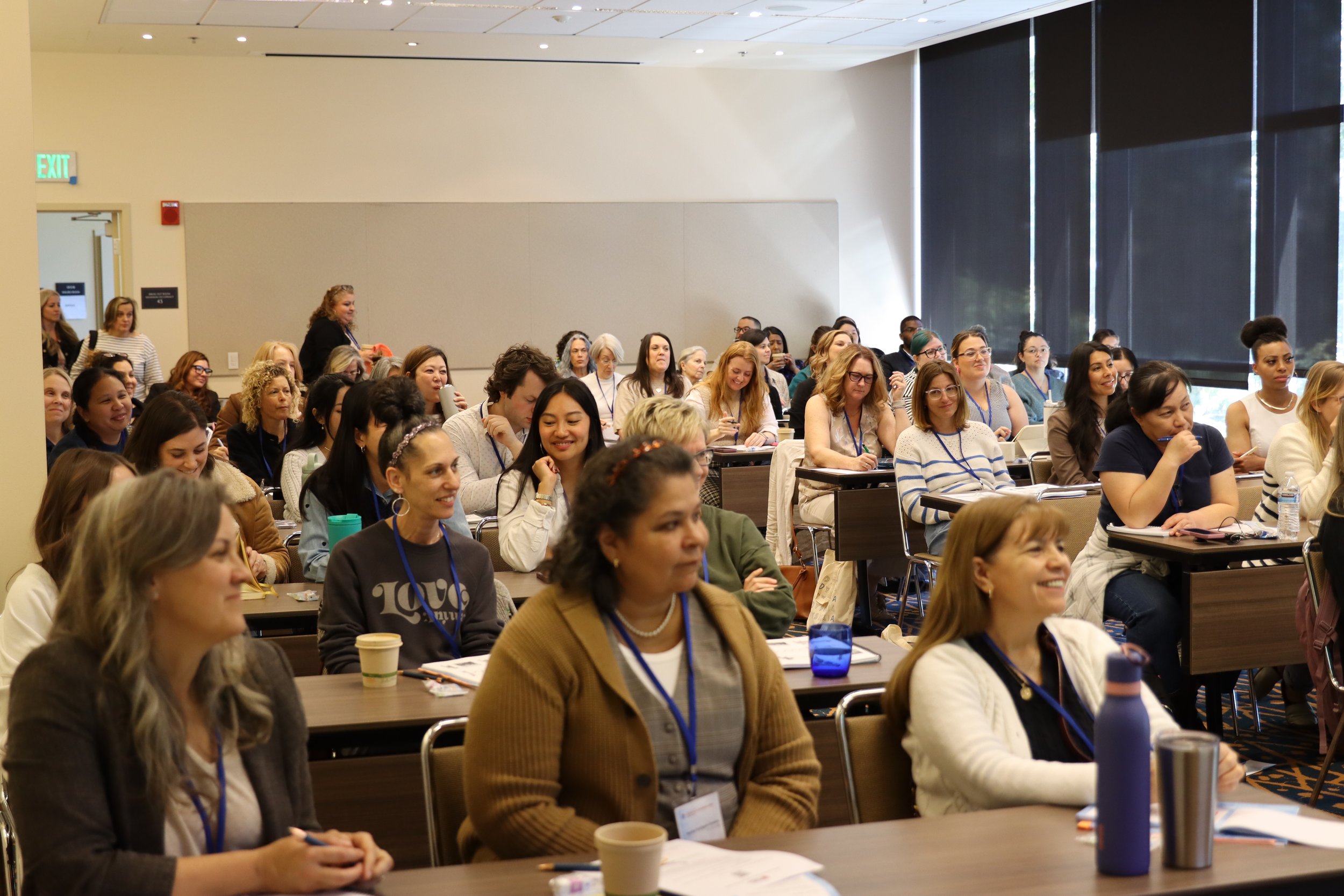
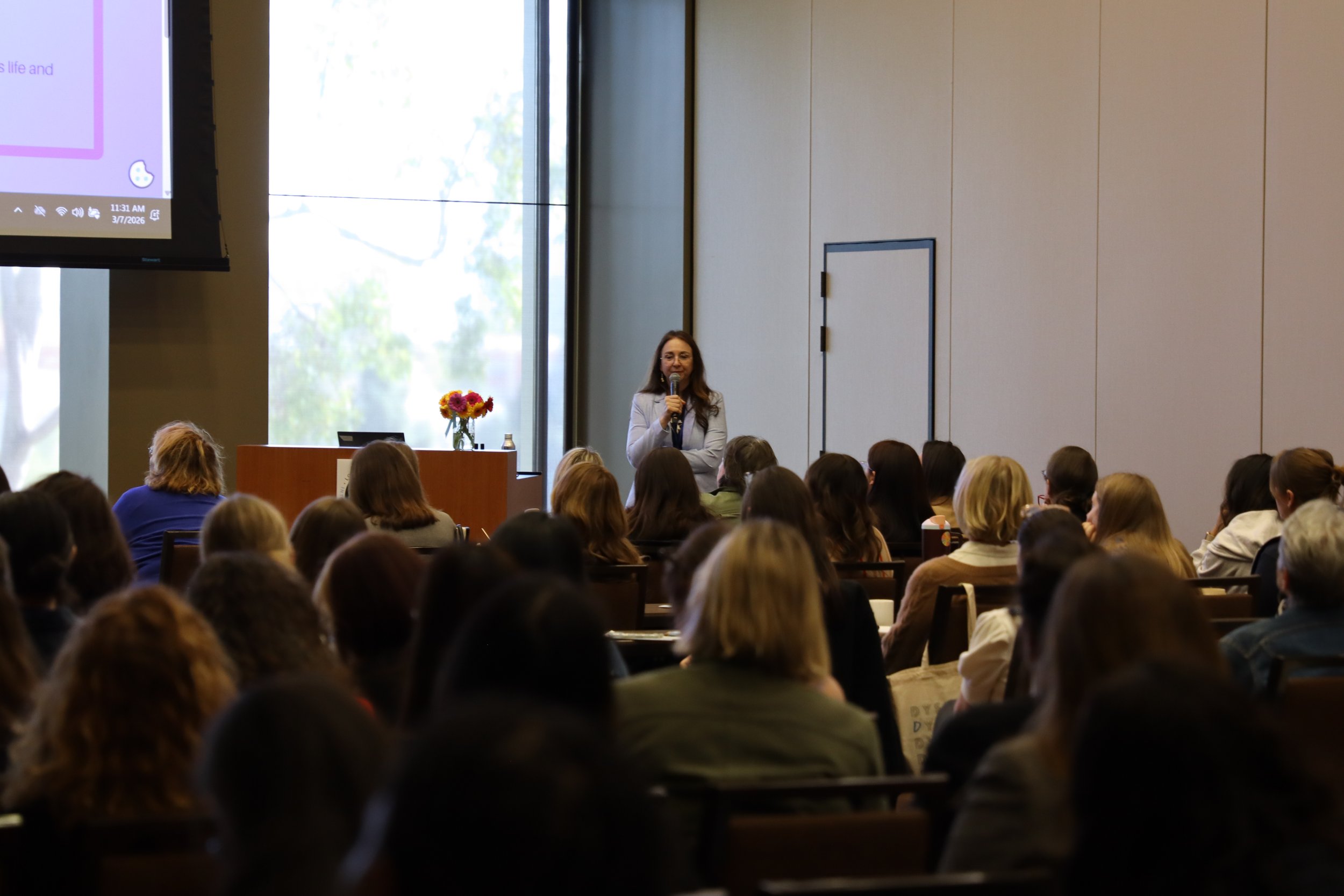
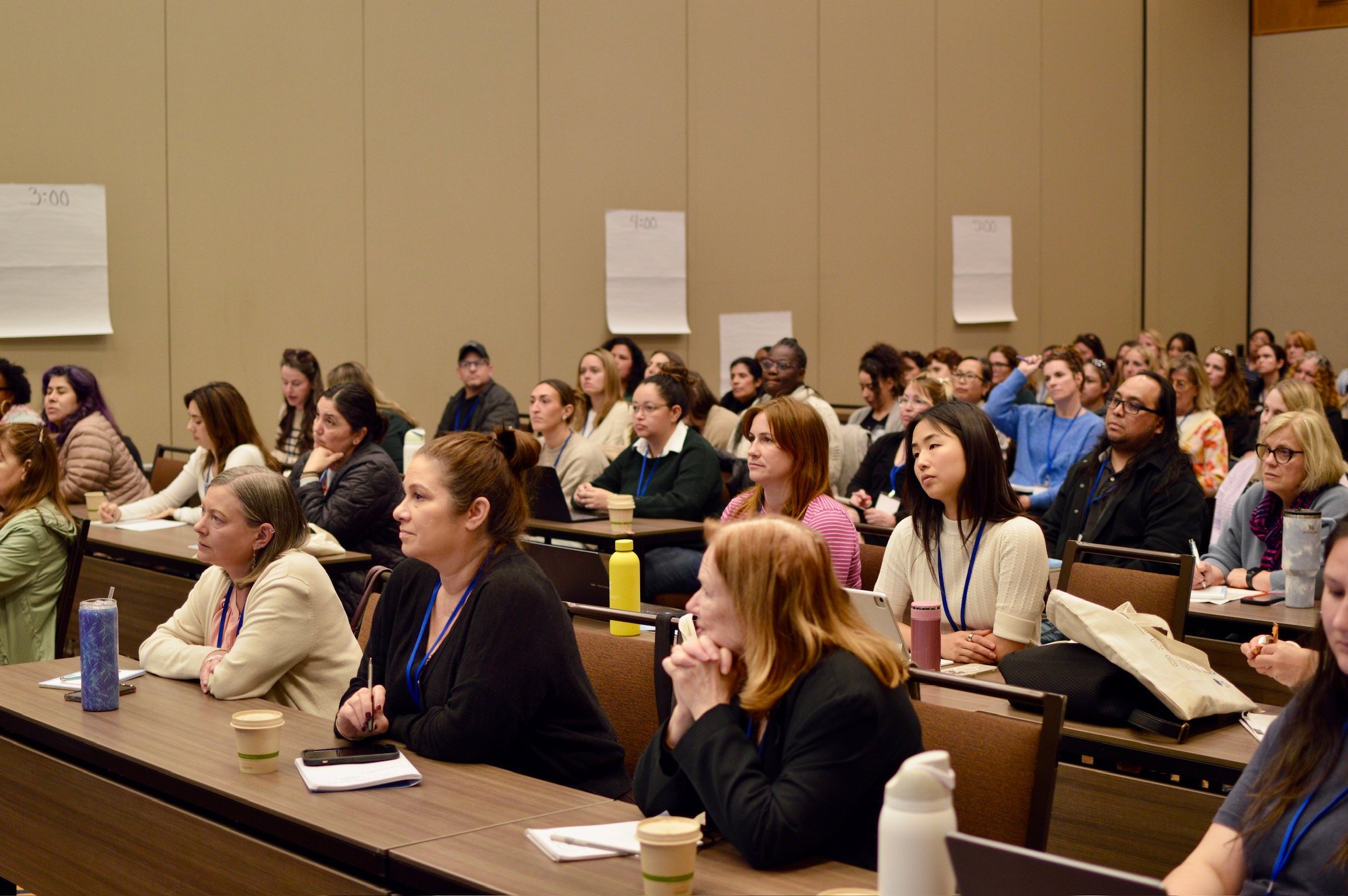
Save the date for our annual Language and Learning Conference, where researchers, educators, clinicians, and advocates, working in the fields of dyslexia and other language-based learning challenges, will exchange knowledge, share best practices, and explore the latest advancements in the field.
KEYNOTE PRESENTATION
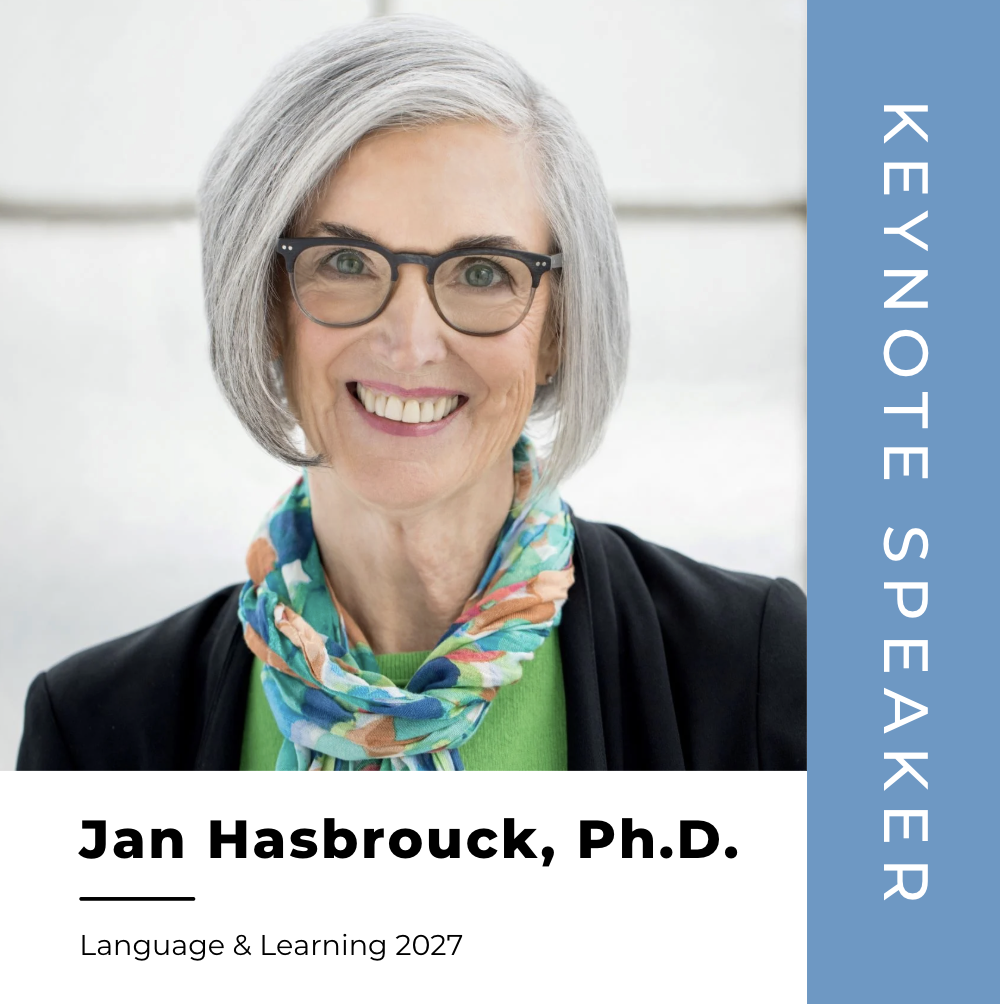
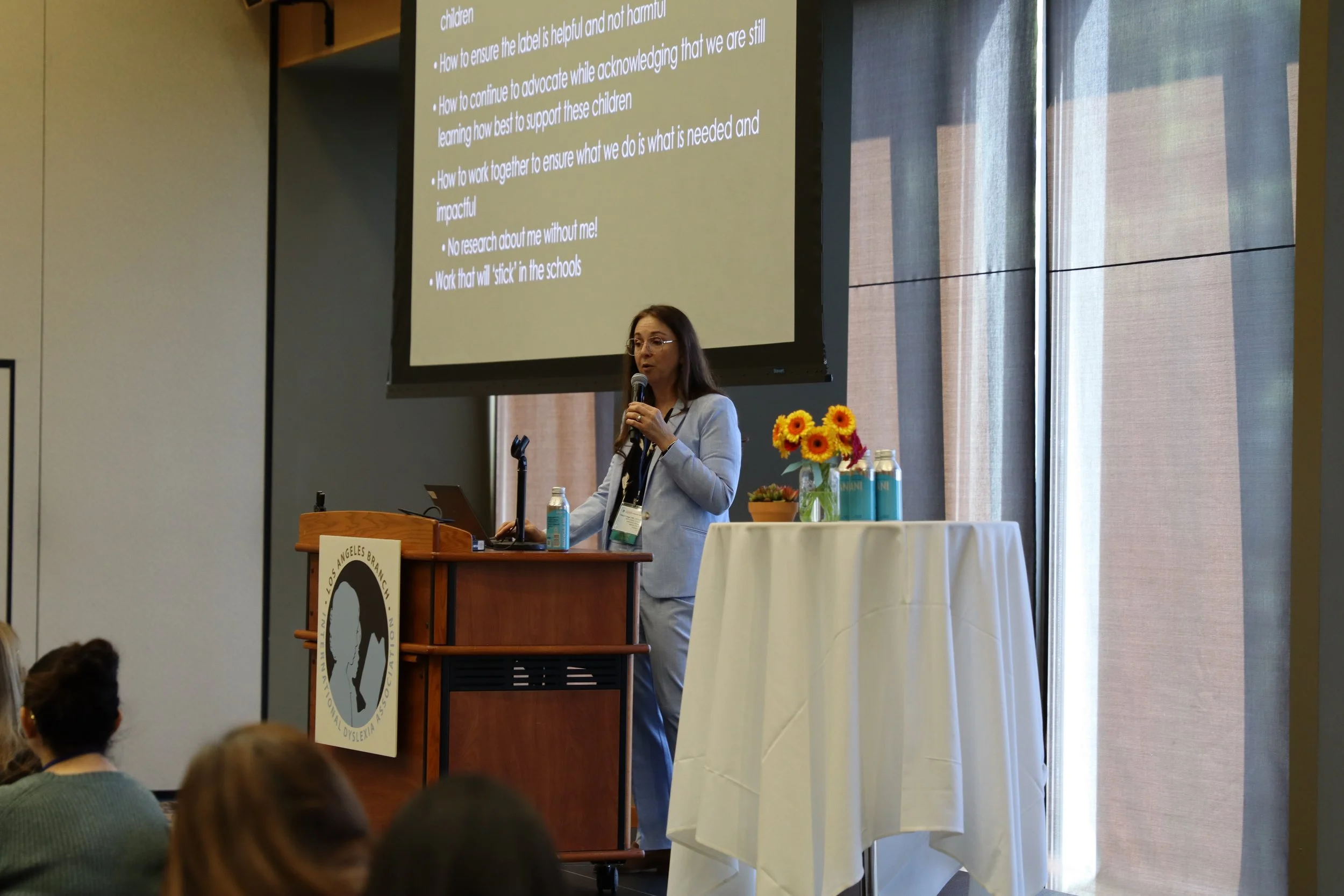
Jan Hasbrouck, Ph.D
-
Jan Hasbrouck, Ph.D. is an award-winning researcher, educational consultant, and author who works with schools and agencies in the U.S. and internationally. Dr. Hasbrouck worked as a reading specialist and literacy coach for 15 years and later became a professor. Her research in reading fluency, academic assessment and interventions, and instructional coaching has been widely published. She is the author, coauthor, and co-editor of several books and some assessment tools. She continues to collaborate with researchers and school colleagues on projects related to reading interventions, assessment, and instructional coaching. She enjoys volunteering at her grandson’s K-8 school in Seattle.
2027 Gold Sponsors

2027 Silver Sponsor
2027 Exhibitors

Sponsor and Exhibitor Registration




Past Conference
Keynote Presentations
2026
Language Comprehension: The (Often) Missing Key to Improving Reading Outcomes
Tiffany P. Hogan, PhD, CCC-SLP, Professor in the Department of Communication Sciences and Disorders at MGH Institute of Health Professions and Research Associate at Harvard Medical School
2025
Modern Realities: Dyslexia's Impact on Learning and Emotional Well-Being
Tim Odegard, Ph.D. Professor of Psychology and the Katherine Davis Murfree Chair of Excellence in Dyslexic Studies at Middle Tennessee State University
2024
2024 Updates in Neuroscience Research and Evidence Based Practice
Dr. Martha Burns, Director of Neuroscience Education at Carnegie Learning Corporation and Adjunct Associate Professor at Northwestern University
2023
The Language Literacy Network: A New Twist on the Reading Rope to Advance Literacy Outcomes
Jan Wasowicz, PhD, CCC-SLP, BCS-CL author and software developer,
2022
How to Connect Reading Research and the Real World
Mark S. Seidenberg, PhD, Vilas Research Professor and Donald O. Hebb Professor in the department of psychology at the University of Wisconsin-Madison
Teaching Reading to Children that Speak Varieties of English
Dr. Julie Washington, PhD, Professor in the School of Education at the University of California, Irvine (UCI)
Boosting Reading Skills in Struggling Readers: Understanding Orthographic Mapping and the Role of Grapho-Phonemic Proficiency
David A. Kilpatrick, PhD, Professor of Psychology for the State University of New York College at Cortland
Childhood Stress and Anxiety
Katie Hurley, LCSW, parenting educator, public speaker, and author.
2020
The Science of Teaching Reading: Why, How, and What to Teach
Dr. Margie Gillis, Ed.D., CALT President, Literacy How, Inc.
2019
Setting the Stage for Accurate and Fluent Reading: Decoding Foundation Skills
Anita Archer, PhD, Educational Consultant, Author
2018
The Perfect Storm: Inattention, Dyslexia and Anxiety
Dr. Eric Tridas, MD, FAAP, Medical Director of the Tridas Center for Child Development, Tampa
2017
The Reading Brain in the Digital Age
Dr. Maryanne Wolf, John DiBiaggio Professor of Citizenship and Public Service; Director, Center for Reading and Language Research, Tufts University
2016
The Elephant in the Room: What We Overlook Regarding Dyslexia
Dr. Nancy Mather, Professor of Special Education, University of Arizona, Department of Disability and Psychoeducational Studies
2015
Understanding Dyslexia Myths and Realities
Dr. Louisa Moats, Author, Educator, Psychologist
2014
How Will We Make Sure Students Learn 2,000-3,000 New Vocabulary Words Each Year?
Dr. Susan Hall, President and Founder of The 95 Percent Group
2013
How the Brain Learned to Read
Dr. Maryanne Wolf, Author of "Proust and the Squid: the Story and Science of the Reading Brain" and Director of the Center for Reading and Language Research at Tufts University